Yoga is often perceived through multiple lenses, with the physical postures dominating much of public awareness. Yet, beneath the surface lies a rich tapestry of philosophy and mindfulness that can deeply enhance our understanding of self and the world around us. This exploration into the spiritual side of yoga does not require adherence to specific religious doctrines or esoteric beliefs. Instead, it invites practitioners to engage in a journey of personal growth, mental clarity, and inner calm.
Understanding Yoga Beyond Physical Poses
To appreciate the spiritual dimensions of yoga, one must first recognize that yoga transcends mere physical exercise. It is a holistic practice that integrates mind, body, and spirit. The ancient texts reveal that yoga was originally designed as a means to achieve self-realization and inner peace. The postures are merely tools facilitating this deeper exploration.
When practicing yoga, it's beneficial to approach each session with intention. Setting an intention—known as "sankalpa" https://maidenheadyoga.co.uk in Sanskrit—provides a guiding principle for your practice. For example, if you aim to cultivate greater self-awareness or release stress, focusing on these intentions can shape your experience on the mat. This practice encourages mindfulness in each pose, transforming the physical experience into a meditative one.
The Philosophy Behind Non-Religious Yoga Spirituality
Many people shy away from exploring yoga's spiritual aspects due to misconceptions about religion or mysticism. However, non-religious yoga spirituality emphasizes principles like mindfulness and self-awareness without dogma or ritualistic practices. This approach is inclusive, allowing everyone—regardless of background—to partake in its benefits.
At its core, yoga philosophy discusses concepts such as "ahimsa," or non-violence toward oneself and others, which fosters compassion and understanding in daily interactions. Similarly, “satya,” or truthfulness, encourages authenticity in thoughts and actions. Adopting these values can profoundly impact personal growth and relationships outside of the studio.
Mindfulness: The Bridge Between Body and Spirit
Mindfulness plays a pivotal role in connecting the physical aspects of yoga with its spiritual dimensions. It involves being fully present in each moment without judgment—a skill that takes practice but reaps significant rewards. Mindful breathing during sessions serves as an anchor; it grounds practitioners in their bodies while quieting mental chatter.
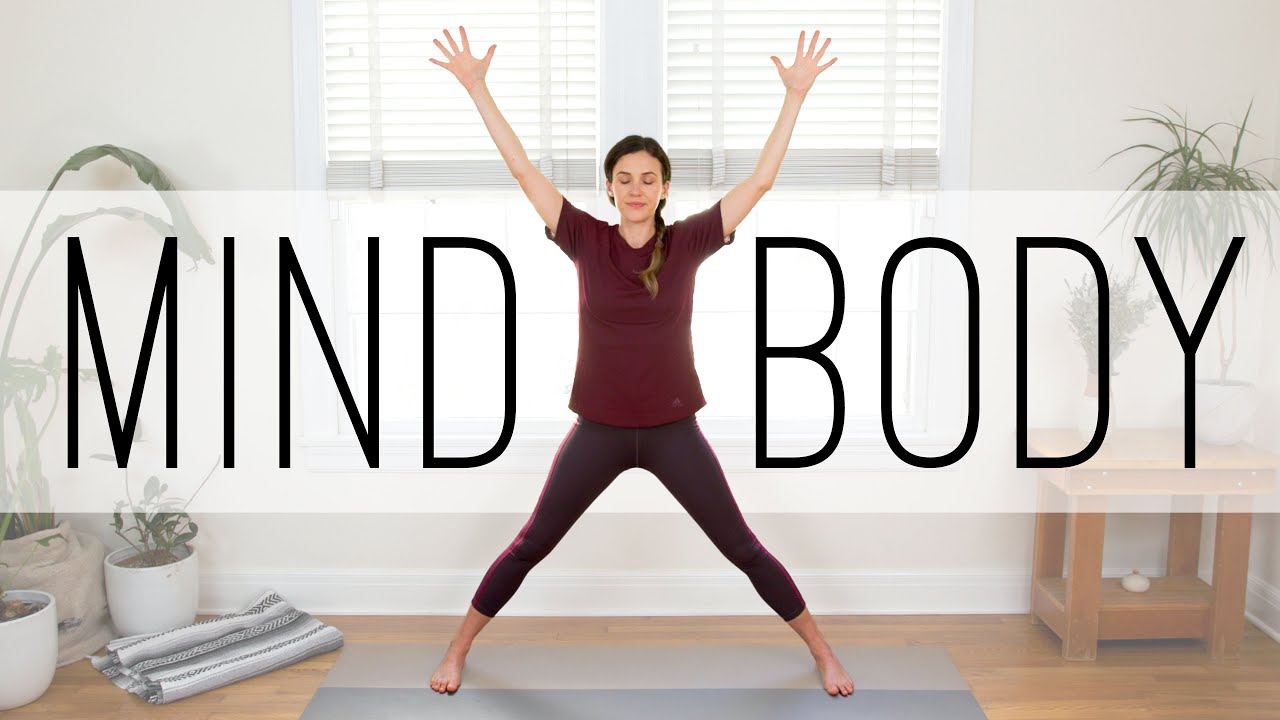
The relationship between breath and movement is fundamental in yoga practice. Developing awareness around how breath influences emotions can lead to improved mental clarity and emotional regulation over time. For instance, focusing on deep inhalations can evoke feelings of calmness while controlled exhalations may help release tension.
Cultivating Inner Calm Through Practice
The journey toward inner calm is not always linear; it requires commitment and patience. Several methods exist within yoga to foster this sense of tranquility:
Meditation: Incorporating meditation into your routine allows for introspection and clarity. Breathing Techniques (Pranayama): These exercises enhance respiratory function while promoting relaxation. Mindful Movement: Engaging fully with your body during poses develops a deeper connection between mind and body. Journaling: Reflecting on your experiences after practice can unveil insights about your inner world. Community Engagement: Sharing experiences with like-minded individuals creates supportive environments conducive to growth.Through consistent engagement with these techniques, practitioners often report increased resilience against stressors encountered outside their mats.
Setting Intentions for Personal Growth
Intentions are powerful catalysts for personal development within the context of yoga practice. Each session presents an opportunity to manifest specific goals—be they related to emotional well-being or physical health—and tracking progress can be enlightening.
For instance, if you enter class feeling anxious about work commitments but set an intention focused on relaxation or confidence-building, you may find that by the end of class your perspective shifts significantly. This transformative power lies at the heart of what many seek when embarking on a yogic journey; it is less about perfecting poses than aligning oneself with deeper truths.
The Intersection of Yoga and Meditation
Exploring the connection between yoga and meditation reveals how both practices complement each other beautifully without requiring strict adherence to any belief system. While yoga prepares the body through movement for stillness during meditation, meditation enhances one’s ability to focus during asana practice.
Integrating meditation techniques into your routine—such as guided imagery or mantra repetition—can enrich both experiences dramatically. By allowing yourself moments of silence amid chaos through either discipline, you cultivate an environment where mindfulness flourishes naturally.

Embracing Your Unique Journey
Every individual brings their unique experiences into their practice; therefore, embracing one's own journey is essential for meaningful progress in non-woo-woo yoga spirituality. Recognizing that there isn’t one “right” way to engage with these principles opens doors for creativity within your sessions.
Remember that spirituality need not resemble anyone else's path; rather it should resonate personally with your beliefs and values without societal pressures dictating what it should look like externally.
While some may find solace in traditional rituals or deities associated with classical yoga practices—a route entirely valid—it’s equally possible—and perhaps more relatable—to extract wisdom from its teachings without those affiliations surrounding them.
The beauty lies within each practitioner’s ability to define their relationship with this ancient art form based on personal needs rather than prescribed norms dictated by tradition alone.
By cultivating mindfulness through every aspect—from intention setting prior to entering a studio space down through reflecting upon lessons learned afterward—you begin crafting not only a richer physical experience but also laying foundations leading towards profound internal transformation over time too.
Engaging earnestly in non-woo-woo yoga spirituality thus becomes less about conforming outwardly while staying true inwardly—a balance worth striving for amidst today’s fast-paced environment where genuine connection often feels fleeting at best yet remains attainable through dedicated practice!