You do not need a perfect workout plan to build consistency. In fact, most beginners sabotage themselves by trying to do too much too soon, then feeling disappointed when motivation fades. The good news is that a sustainable workout plan is usually built on small, boring decisions that your future self can actually keep making.
When I help people set up home fitness routines, the biggest shift is not “finding the best exercises.” It is learning how to set up a schedule that fits real life, with real energy, in 2026.
Start with what you can repeat, not what you can impress
A sustainable routine has one job: it shows up again next week. If you are constantly adjusting the plan, skipping half of it, or dreading the next session, your schedule is asking for more than your life can supply right now.
Instead of starting with a big goal like “work out five days a week,” start with a repeatable baseline. Think of it like training your environment. Your plan should make the next session easier than the last one.
A simple way to find your starting point is to be honest about two things:
- Time you can protect: Not the time you wish you had. The time you can protect even on busy days. Energy you actually bring: Some days you feel ready, others you feel foggy. Your routine needs options.
For many beginners, a realistic starting fitness schedule at home looks like 2 to 3 workouts per week. Not because 4 or 5 is wrong, but because recovery is part of sustainability. If you feel good after your sessions, you are more likely to keep going. If you feel crushed every time, you will avoid it.
Make home workouts easier to start than to cancel
At home, your biggest advantage is control. You control the space, the noise level, and the pace. Use that control.
Before you choose exercises, set up friction-reduction. Lay out your shoes or socks by the door. Keep a mat in a visible spot. Fill a water bottle and put it where you will see it. These tiny setups matter more than most “perfect” routines because they lower the mental cost of starting.
Build your beginner fitness routine around simple, durable movement
A beginner fitness routine should feel like you are getting better at everyday motion, not only surviving workouts. Most people do best when their plan includes a mix of strength and conditioning without turning every session into a high-intensity battle.
In 2026, home fitness tends to work best when it is practical: equipment stays minimal, sessions Firm & Tight review 2026 stay consistent, and intensity changes gradually.
A balanced weekly structure that works at home
You do not need a complicated system. A good starting template is:
- Strength work: for legs, hips, push (upper body), and pull (back or rowing pattern) Mobility or warm-up: to make movement feel safer and more comfortable A simple conditioning element: walking, cycling in place, marching, or a low-impact circuit
Most beginners also benefit from repeating similar sessions for a few weeks. Variety is helpful later, but early on, repetition teaches your body what to expect. That is how you reduce soreness and improve confidence.
Practical example: a 3-day starting plan
Here is a straightforward sustainable workout plan example you can adjust. Each session can be 20 to 35 minutes, depending on your current reality.
Day 1 (Full-body strength + easy cardio):
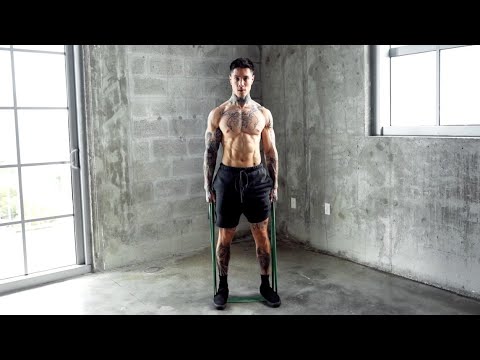
Day 2 (Movement practice + strength light):
- Hip hinge pattern (like a light deadlift with a dumbbell, or a hip-backward movement) - Supported lunge or split-stance brace - Overhead reach (standing presses with light weights if comfortable) - Core: dead bug or bird dog - Finish: 10 minutes of easy walkingDay 3 (Strength + short circuit):
- Step-ups to a low step 

- Side-lying clams or lateral band steps - Finish: 6 to 12 rounds of a slow, controlled circuit (example: 30 seconds work, 30 seconds rest)
If that sounds like “too much to remember,” simplify it. The point is the structure, not the exact exercise names.
Choose intensity that keeps you coming back
Beginners often interpret fatigue as progress. That is understandable, because hard workouts feel motivating in the moment. The problem is that sustainable home fitness needs enough recovery to avoid burnout and constant soreness.
A good rule of thumb is to stop your set with a little in reserve. You should finish most exercises feeling like you could do one or two more reps or take one more round if you had to. Not every set, but most sets. This helps you build momentum instead of fear.
Watch for the real red flags
The signals below are usually more useful than how sweaty you feel.
Pain that feels sharp, pinchy, or wrong Soreness that worsens day after day Sleep and mood take a noticeable hit after workouts You dread sessions more than you look forward to them You start skipping warm-ups and “power through” anywayIf any of these show up, reduce intensity, shorten the session, or swap for a gentler movement. Progress is not only about effort, it is also about staying consistent long enough for your body to adapt.
Use progression without turning your routine into a treadmill
A sustainable workout plan grows gradually. In 2026, I recommend tracking progress in ways that do not require a gym or fancy tools.
You can progress by adjusting one variable at a time:
- Reps (adding a few per set) Time (staying longer in a circuit) Load (only when form is solid) Range of motion (when it is safe and comfortable) Rest (slightly shorter rests after you have good control)
If you do everything at once, you will not know what helped or what backfired. Keep it simple.
Make a starting fitness schedule you can actually follow
A starting fitness schedule is not just “days per week.” It is also when you do it, how you handle missed days, and what you do on low-energy days.
The best routines are forgiving. Life will interrupt you. Home workouts should not collapse the moment you miss a session.
Here is a practical approach that works for many beginners:
- Pick two fixed days you can protect, plus one flexible day you use only when you feel ready. Keep a “minimum version” of each workout that takes 10 to 15 minutes. Use a simple catch-up rule: if you miss a day, you do not try to double the next session. You just do the minimum workout and return to your usual rhythm.
Keep your warm-up short, consistent, and specific
Warm-ups are not only for athletes. At home, a short warm-up is what helps your body move well in the first few minutes. Aim for about 3 to 6 minutes, tailored to the session.
For strength days, a practical warm-up might include gentle squats to a comfortable depth, arm circles, marching, and a few controlled reps of the first movement. This reduces stiffness and improves confidence.
Troubleshooting common beginner problems at home
Home fitness is great, but it has its own quirks. You might have limited space, neighbors, or distractions. You might also feel self-conscious in a way that does not happen at a gym.
A sustainable routine accounts for that.
If space is tight, choose movements that do not require long travel. If equipment is limited, use slower tempos and add reps instead of chasing heavy weight. If you feel bored, do not overhaul everything. Swap just one exercise within the same movement category for a week, then return. That keeps the routine familiar while giving your brain a fresh feeling.
And if you are struggling with consistency, simplify the plan further rather than adding motivation tricks. The most durable habit is the one that feels easy enough to repeat on a bad day.
In 2026, the win is not building the perfect beginner fitness routine. The win is building a sustainable workout plan you can keep, even when you are tired, busy, or not feeling your best.